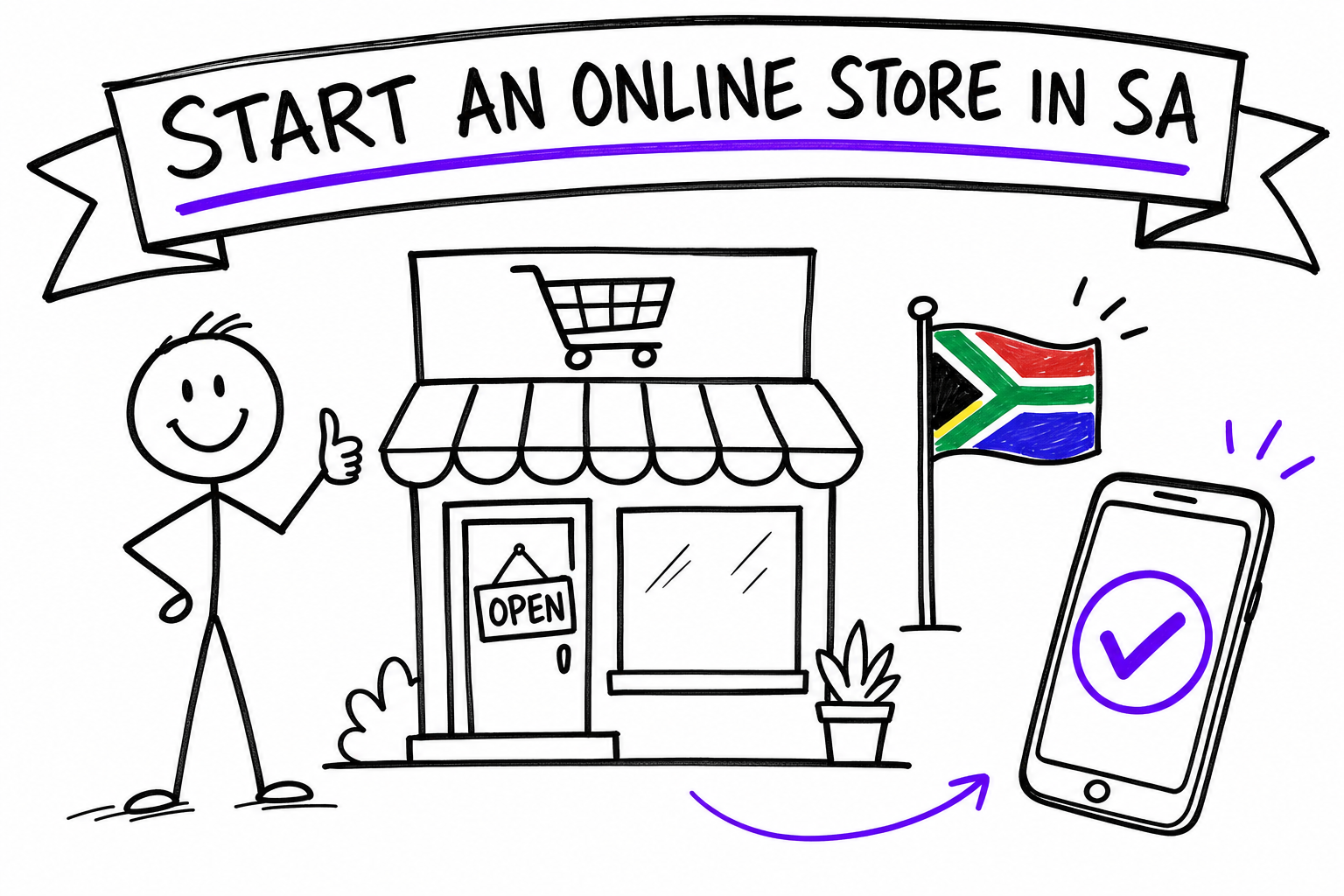
Short version: starting an online store in South Africa comes down to seven steps: pick what you'll sell, sort out the admin, choose a platform, set up local payments, sort delivery, build the store, and launch. For most first-time sellers, Shopify is the easiest platform to start on. The one local catch is that Shopify's own payment system doesn't work here, so you plug in a South African option like PayFast or Yoco instead. Below, we walk through the whole thing.
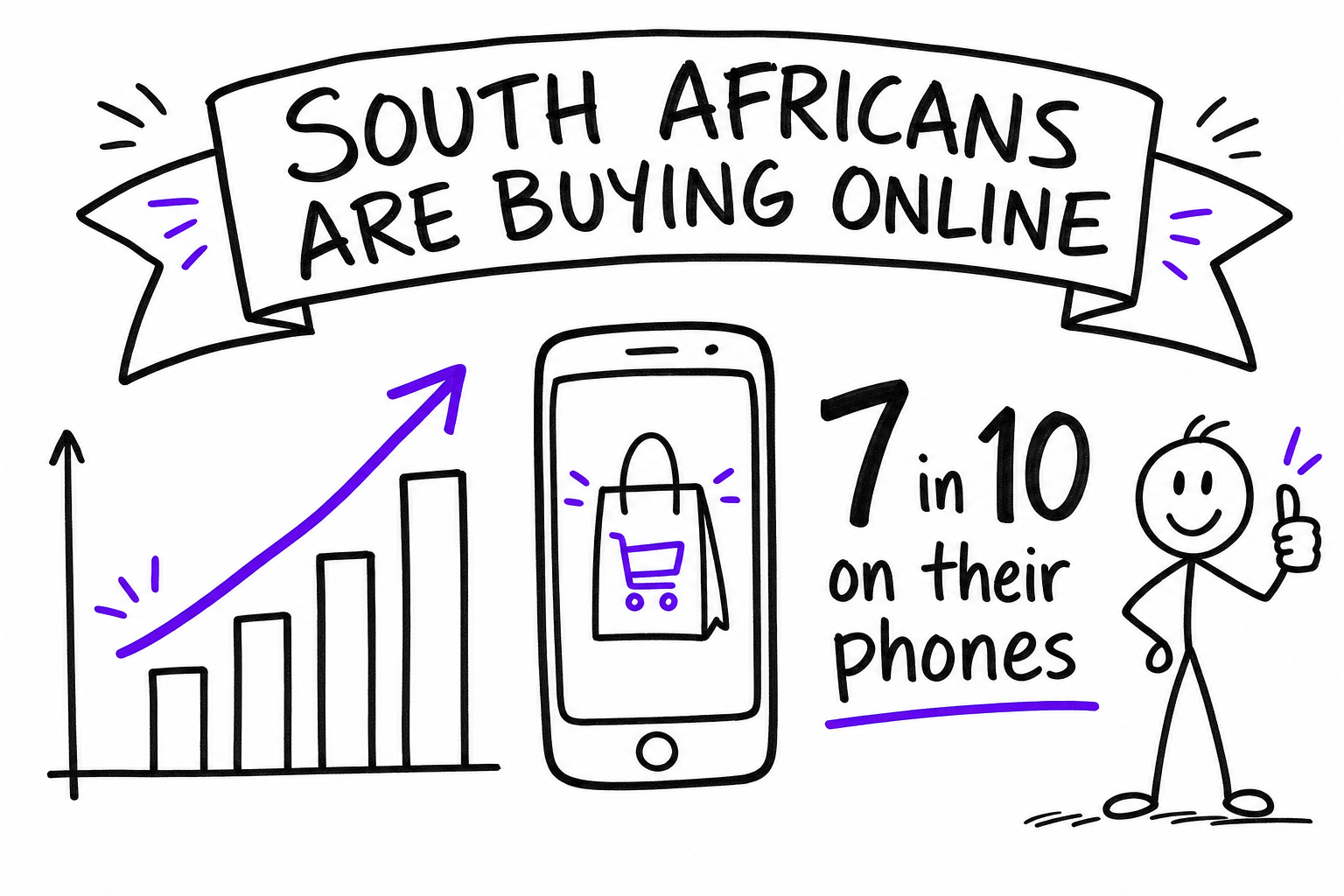
More South Africans are buying online than ever. The local e-commerce market is worth around R750 billion in 2026 and still growing, and roughly 7 in 10 of those shoppers are buying on mobile. So if you sell something people want, there has never been a better time to put it online.
But most guides skip the parts that actually matter here in South Africa: how you get paid, what it costs in rand, and the legal boxes you have to tick. So, let's fix that.
Before you start: what you actually need
You don't need much to begin:
- Something to sell and a rough idea of who buys it.
- A small budget. You can start lean, but plan for a bit of monthly running cost (more on that below).
- A domain name (your web address, like yourshop.co.za).
- A few hours a week. A simple first store can be live in a few days.
That's it. You don't need to be technical, and you don't need a big launch budget.
Step 1: Decide what you'll sell
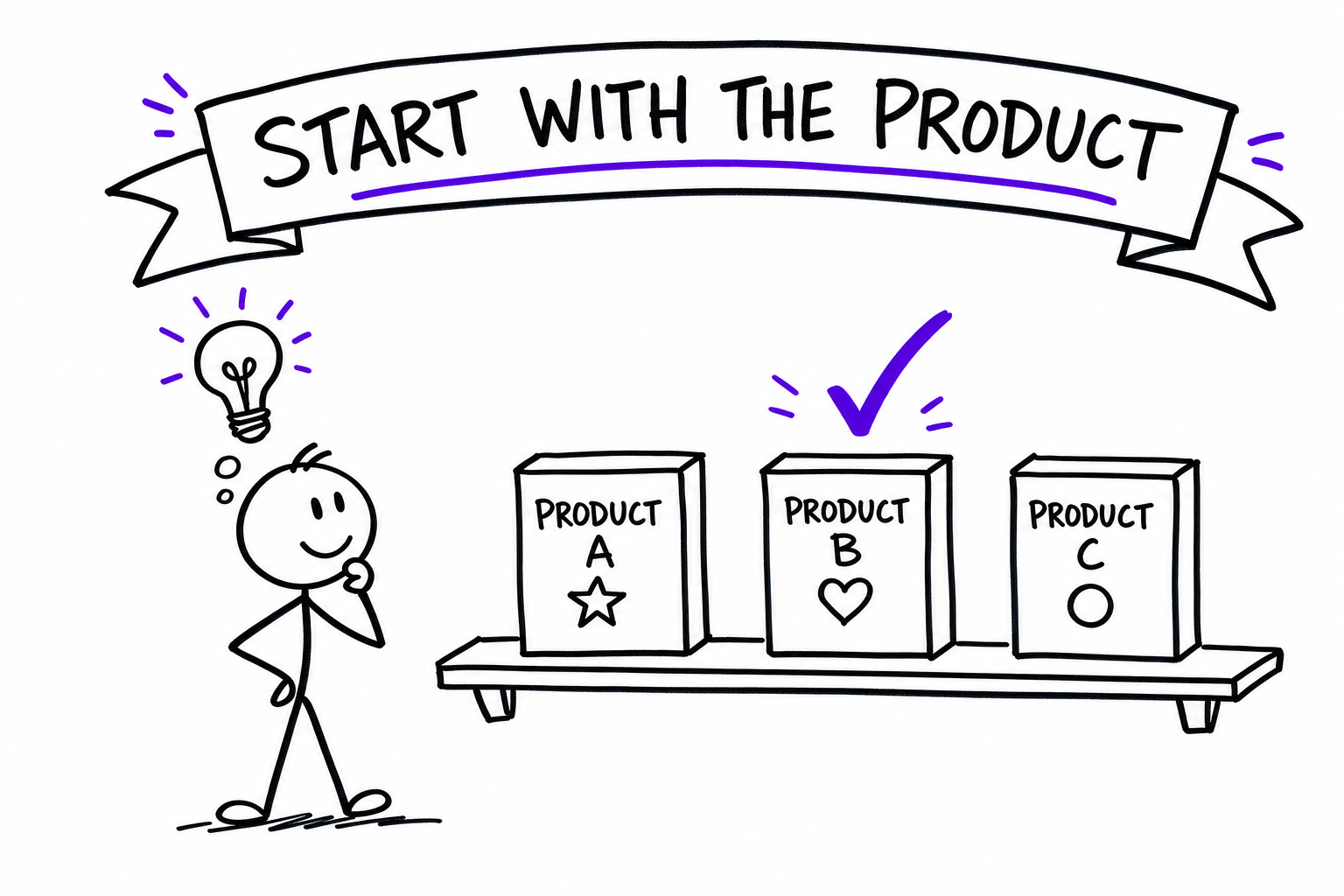
Start with the product, not the tech. The stores that work usually do one of three things: they sell something people already search for, they solve a real problem, or they have a brand people connect with.
Pick a focused range to begin. It's easier to launch with 10 products you know well than 200 you're guessing at. You can always add more later.
Step 2: Sort out the admin (only what you need)

You can start selling as a sole proprietor without registering a company. Registering a private company (a Pty Ltd) through the CIPC (the Companies and Intellectual Property Commission) is optional early on. It mainly matters for protecting your personal finances and for looking more established as you grow.
You'll also want your own domain. A .co.za address is the local standard and signals to shoppers that you're a South African business. You register it through a hosting company or domain registrar, and it's usually cheap per year.
Our tip: don't over-think this stage. A domain and a payment plan for later beats months of paperwork before you've made a single sale.
Step 3: Choose your platform
Your platform is the software that runs your shop. The three most common choices in South Africa are Shopify, WooCommerce and Wix. Here's the honest comparison:
| Platform | Best for | The reality in South Africa |
|---|---|---|
| Shopify | First-timers who want it to just work | Hosted and reliable, huge range of add-ons, priced in dollars. Needs a local payment gateway (see Step 4). |
| WooCommerce | Hands-on owners who want full control | Free to install, but you pay for hosting, security and setup. Cheapest only if you can manage the tech yourself. |
| Wix | Very small, very simple stores | Easy to use, but gets limiting once you grow past a handful of products. |
For most people starting out, we recommend Shopify. It handles the hosting, security and updates for you, so you can focus on selling instead of fixing things. If you're technical and want to save money, WooCommerce is worth a look. Wix is fine for a tiny store.
Quick test when comparing any platform: Does it support local payment methods? Are the running costs manageable? Will it grow with you? If a platform fails those, skip it.
Step 4: Set up payments South Africans trust
This is the step most guides get wrong, so read it carefully.
Shopify Payments is not available in South Africa. That's Shopify's built-in payment system, and it simply doesn't work here yet. So you connect a local payment gateway instead. A gateway is the service that takes your customer's card or EFT payment and pays the money into your bank account.
Here are the main South African options:
| Gateway | Transaction fee | Payment methods | Best for |
|---|---|---|---|
| PayFast | around 3.5% + R2 | Cards, instant EFT, SnapScan, Zapper, Mobicred | The widest choice of local payment methods |
| Yoco | around 2.95% | Cards, payment links, QR | Simplicity, and if you also sell in person |
| Peach Payments | around 3.2% | Cards, EFT, wallets, buy-now-pay-later | Growing stores and subscriptions |
| Ozow | around 2.5% to 3% | Instant EFT only | Customers who prefer not to use cards |
Fees change, so check the gateway's current rates before you sign up.
One extra thing to know: because you can't use Shopify Payments here, Shopify charges a small extra fee on top of your gateway's fee. It's about 2% on the Basic plan, 1% on the Grow plan, and 0.6% on Advanced. It's not huge, but it's worth knowing, because moving up a plan lowers it.
Our advice: offer more than just cards. Many South Africans prefer instant EFT or buy-now-pay-later, and giving them the option means fewer abandoned carts.
Step 5: Sort out delivery
You don't need your own delivery van. South African courier apps plug straight into Shopify and quote your customers automatically. Here are common options:
| Delivery option | Cost (from) | Speed |
|---|---|---|
| PUDO (locker to locker) | around R60 | 1 to 3 days |
| Paxi (store to store, small parcels) | around R60 | 7 to 9 days |
| Pargo (pickup points) | around R79 a parcel | Varies |
| Fastway (national, door to door) | around R109 | 2 to 4 days |
| The Courier Guy | Its own rates, free app | National |
Tools like Bob Go let you offer several couriers in one place and print labels easily. Decide early whether you'll charge for delivery, offer free delivery above a certain spend, and how you'll handle returns.
Step 6: Build the store
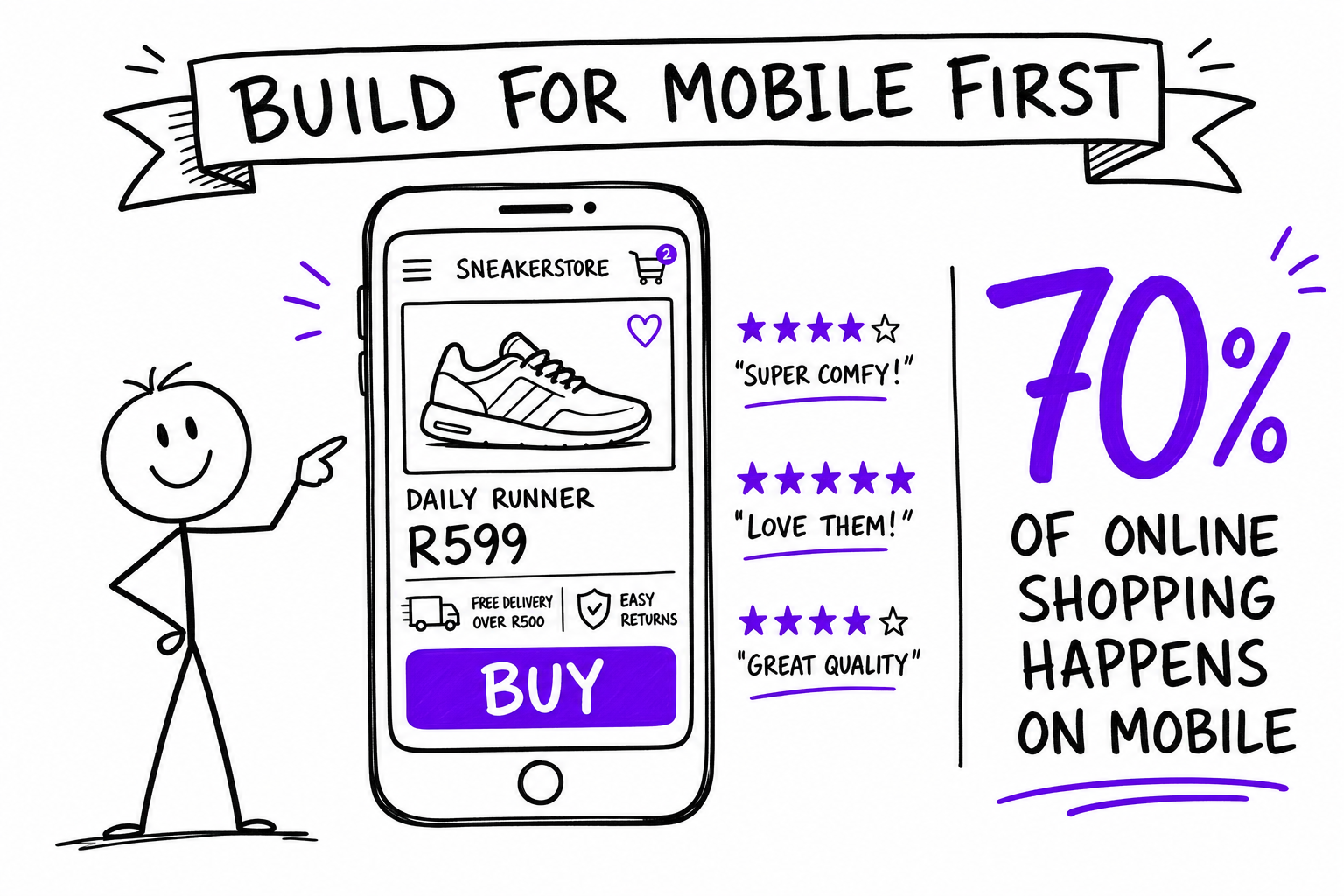
Now you actually build it. A few things matter more than they look:
- Build for mobile first. Around 7 in 10 South African shoppers buy on mobile, so your store must look and work perfectly on a small screen.
- Show trust signals. Reviews, a clear returns policy, and real contact details make nervous first-time buyers feel safe.
- Speed beats flashy. A fast, simple store sells more than a slow, fancy one. Every extra second of loading is like a longer queue at the till: more people walk out.
- Good photos, not expensive ones. Clean, well-lit product photos from a decent mobile are enough to start.
You'll also need two legal pages, and they're not optional:
- A privacy policy for POPIA. POPIA (the Protection of Personal Information Act) is South Africa's data law. You must ask customers to agree before collecting their details, only collect what you need, and appoint someone responsible for data (an Information Officer). Getting it wrong can cost up to R10 million, so it's worth doing properly.
- Clear terms and a returns policy for the CPA. The Consumer Protection Act gives online shoppers a 7-day cooling-off period, meaning they can cancel and get a refund. State your returns policy plainly so there are no disputes later.
If that sounds like a lot, it's the part we handle for every store we build, so it's done right from day one.
Rather skip the technical setup?
We handle the build, local payments and POPIA-compliant checkout for you, from R5,999.
Step 7: Launch and get your first sales
Before you go live, place a test order yourself. Check the whole journey: adding to cart, paying, and the confirmation email. Fix anything clunky.
Then launch. Tell your existing customers, post on your WhatsApp and social pages, and ask your first few buyers for reviews. Your first sale is the hardest. After that, it gets easier.
What it actually costs in South Africa
Here's an honest breakdown. Costs fall into two buckets: the once-off build, and the monthly running cost.
Once-off to get started:
| Item | Typical cost |
|---|---|
| DIY store setup (your own time, free theme) | R0, but hours of your time |
| Paying someone to set it up for you | R5,000 to R15,000 |
| A paid theme (optional) | R3,300 to R7,400 once-off |
| Intellium Inc done-for-you store | from R5,999 |
Monthly running cost (small store):
| Item | Typical cost |
|---|---|
| Shopify Basic plan | around R460 a month |
| Payment gateway fees | a small percentage of each sale |
| A few apps (reviews, email) | R0 to a few hundred rands |
| Rough total early on | around R1,000 to R3,000 a month |
As you can see, a professional done-for-you build from R5,999 sits at or below what a DIY setup costs once you value your own time, and you skip all the technical setup and legal headaches.
Mistakes to avoid
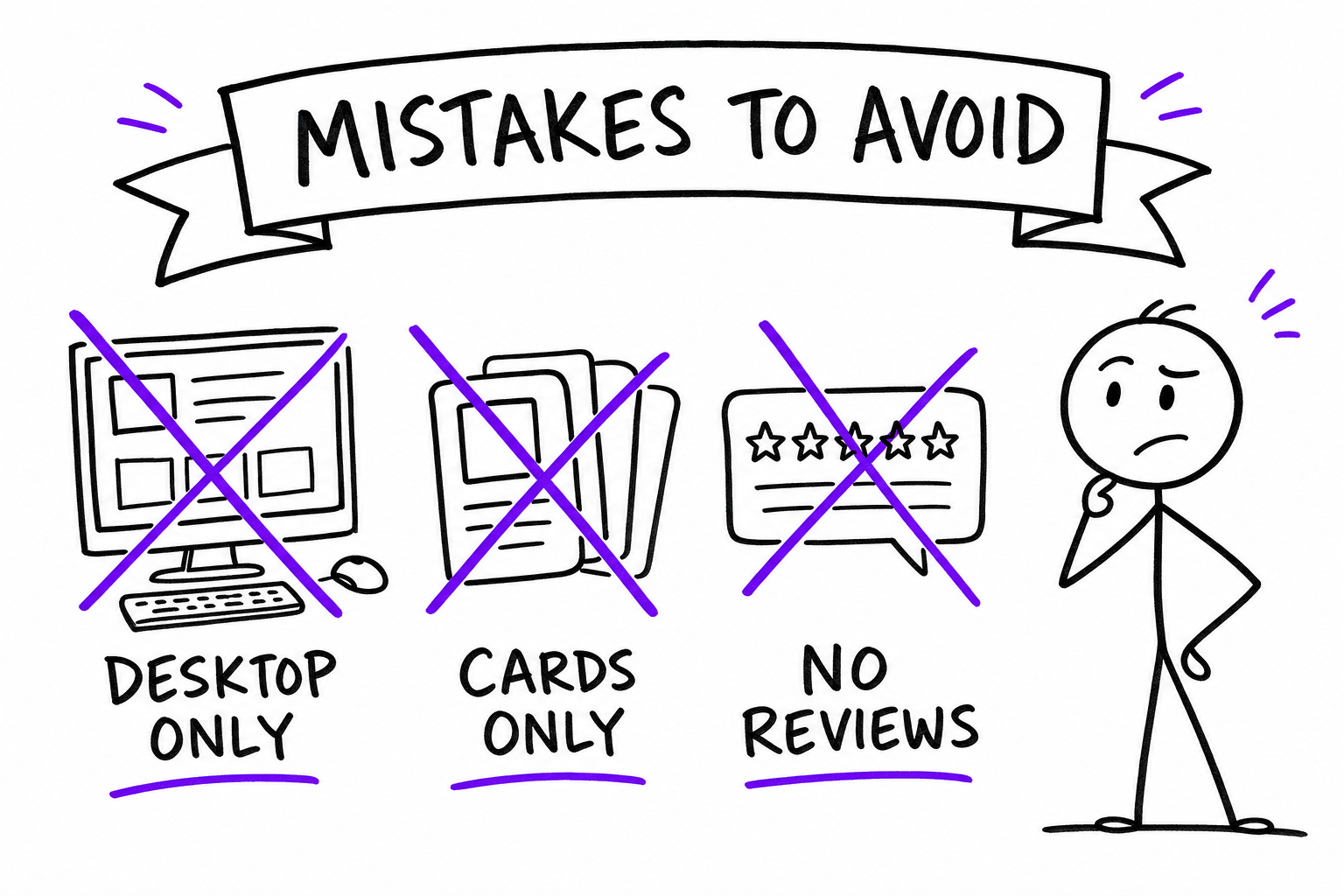
We see the same ones again and again:
- Building for desktop first. Most of your customers are on mobile. Design for them.
- Only offering card payments. Add instant EFT and buy-now-pay-later, or you'll lose sales.
- No trust signals. No reviews, no returns policy, no contact details means nervous shoppers leave.
- Ignoring POPIA and returns. It leads to disputes, and in POPIA's case, real penalties.
- Over-designing. A slow, fancy store sells less than a fast, simple one.
Quick answers
Is Shopify available in South Africa?
Yes. Shopify works fine here. You just can't use its built-in payment system, so you connect a local gateway like PayFast or Yoco.
Can I use Shopify Payments in South Africa?
No, not yet. You use a South African payment gateway instead.
How much does it cost to start?
Plan for a once-off setup (from R5,999 done-for-you, or R5,000 to R15,000 elsewhere) plus roughly R1,000 to R3,000 a month to run a small store.
Do I need to register a company?
No. You can start as a sole proprietor. Registering a company through the CIPC is optional and mostly matters as you grow.
How long does it take?
A simple first store can be live in a few days to two weeks. A done-for-you build is faster because the technical setup is handled for you.
Want a store like this without the headache?
Ready-to-sell Shopify stores for South African businesses, from R5,999.